
Inflammation: A Key Risk Factor for Heart Disease in Your Chiropractic Patients
As chiropractors, we focus on holistic health and prevention. Understanding cardiovascular risk factors is essential when counseling patients about lifestyle and overall wellness. Recent guidelines from the American College of Cardiology have elevated inflammation to a standard modifiable risk factor for heart disease—and it may be even more predictive than cholesterol.
Why Inflammation Matters More Than Ever
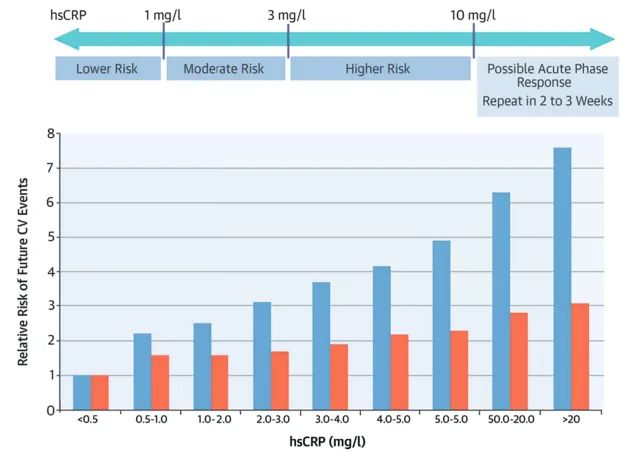
Chronic inflammation has long been known to double the risk of heart disease. The ACC now recommends universal screening for inflammation using high-sensitivity C-reactive protein (hs-CRP) blood tests for both primary and secondary prevention patients.
Because clinicians will not treat what they do not measure, universal screening of hsCRP in both primary and secondary prevention patients, in combination with cholesterol, represents a major clinical opportunity and is therefore recommended.
This recommendation represents a paradigm shift in cardiovascular risk assessment and opens new opportunities for chiropractors to guide patients toward comprehensive health screening.
Inflammation vs. Cholesterol: What the Data Shows
For decades, LDL cholesterol has been the primary focus of cardiovascular risk assessment. However, recent data reveals that hs-CRP is actually a stronger predictor of heart disease than LDL cholesterol.
Why is this the case? Cholesterol screening and statin therapy have become so widespread that most people who experience heart attacks now have lower cholesterol levels than they would naturally have. This means the majority of residual cardiovascular risk is found in biomarkers beyond cholesterol—particularly inflammation.
For patients already on statins or those without traditional risk factors, inflammation remains a key driver of cardiovascular events even when cholesterol is well controlled.
What Your Patients Can Do: Evidence-Based Interventions
Multiple clinical trials have evaluated interventions for lowering inflammation and reducing cardiovascular risk. Here’s what works:
Effective Interventions
- Statins (especially in people with high hs-CRP): Studies like the JUPITER trial show substantial reduction in cardiovascular events, even when LDL is normal.
- Colchicine: Low-dose colchicine (0.5 mg/day) reduces recurrent cardiovascular events in people with established heart disease (COLCOT, LoDoCo2 trials). It’s now FDA-approved for secondary prevention in stable atherosclerotic cardiovascular disease.
- Lifestyle modifications: This is where chiropractors can make the biggest impact. Anti-inflammatory diets (Mediterranean, DASH), regular exercise, smoking cessation, and maintaining a healthy weight all lower hs-CRP and reduce cardiovascular risk.
- Canakinumab: This targeted anti-inflammatory drug reduces events but is expensive and increases infection risk (CANTOS trial).
What Doesn’t Work
Some anti-inflammatory drugs (methotrexate, TNF inhibitors, corticosteroids) have not shown benefit in major cardiovascular trials.
Optimal hs-CRP Levels
When counseling patients about their hs-CRP results, here are the target ranges:
- Optimal: <1 mg/L
- Moderate risk: 1-3 mg/L
- High risk: >3 mg/L
Patients with hs-CRP above 3 mg/L should be encouraged to work with their primary care physician and implement the lifestyle interventions listed above.
The Chiropractic Opportunity
As holistic healthcare providers, chiropractors are uniquely positioned to help patients reduce cardiovascular risk through lifestyle interventions. Here’s how you can integrate this knowledge into your practice:
- Educate patients about inflammation as a key cardiovascular risk factor, not just cholesterol.
- Encourage comprehensive screening: Patients should ask their physicians for hs-CRP testing alongside standard lipid panels.
- Emphasize lifestyle medicine: Anti-inflammatory diets, regular physical activity, stress management, and proper sleep all reduce systemic inflammation.
- Support spinal health: Emerging research suggests that spinal dysfunction and chronic pain may contribute to systemic inflammation. Regular chiropractic care may help reduce inflammatory burden.
- Collaborate with medical providers: Work alongside primary care physicians and cardiologists to support patients’ cardiovascular health through a multidisciplinary approach.
Key Takeaways from the ACC Guidelines
- Universal hs-CRP screening is now recommended for both people with and without established heart disease.
- Residual inflammatory risk: Even with well-controlled cholesterol on statins, many people still have elevated hs-CRP and ongoing risk—inflammation should be addressed separately.
- Colchicine (0.5 mg/day) is FDA-approved for secondary prevention in stable atherosclerotic cardiovascular disease, but should be avoided in patients with significant kidney or liver disease.
- Lifestyle interventions remain the cornerstone of reducing inflammation and should be the first-line approach for most patients.
- Novel therapies: IL-6 inhibitors and other anti-inflammatory agents are being studied as future treatment options.
Clinical Application
A simple blood test for hs-CRP is widely available and inexpensive. Encourage your patients to request this test at their next physical examination. The ACC recommends routine hs-CRP testing for both primary prevention (people at risk) and secondary prevention (those with established heart disease).
By understanding inflammation’s role in cardiovascular disease and promoting evidence-based lifestyle interventions, chiropractors can play a vital role in reducing their patients’ heart disease risk and supporting long-term health.
Resources for Further Learning
For chiropractors interested in learning more about cardiovascular risk assessment and inflammation, consider reviewing:
By staying informed about emerging cardiovascular research, you can better serve your patients and contribute to their overall health and longevity.
Our Blog